Sanctuary in the Hills: The Modern Reimagining of Nomadic Living
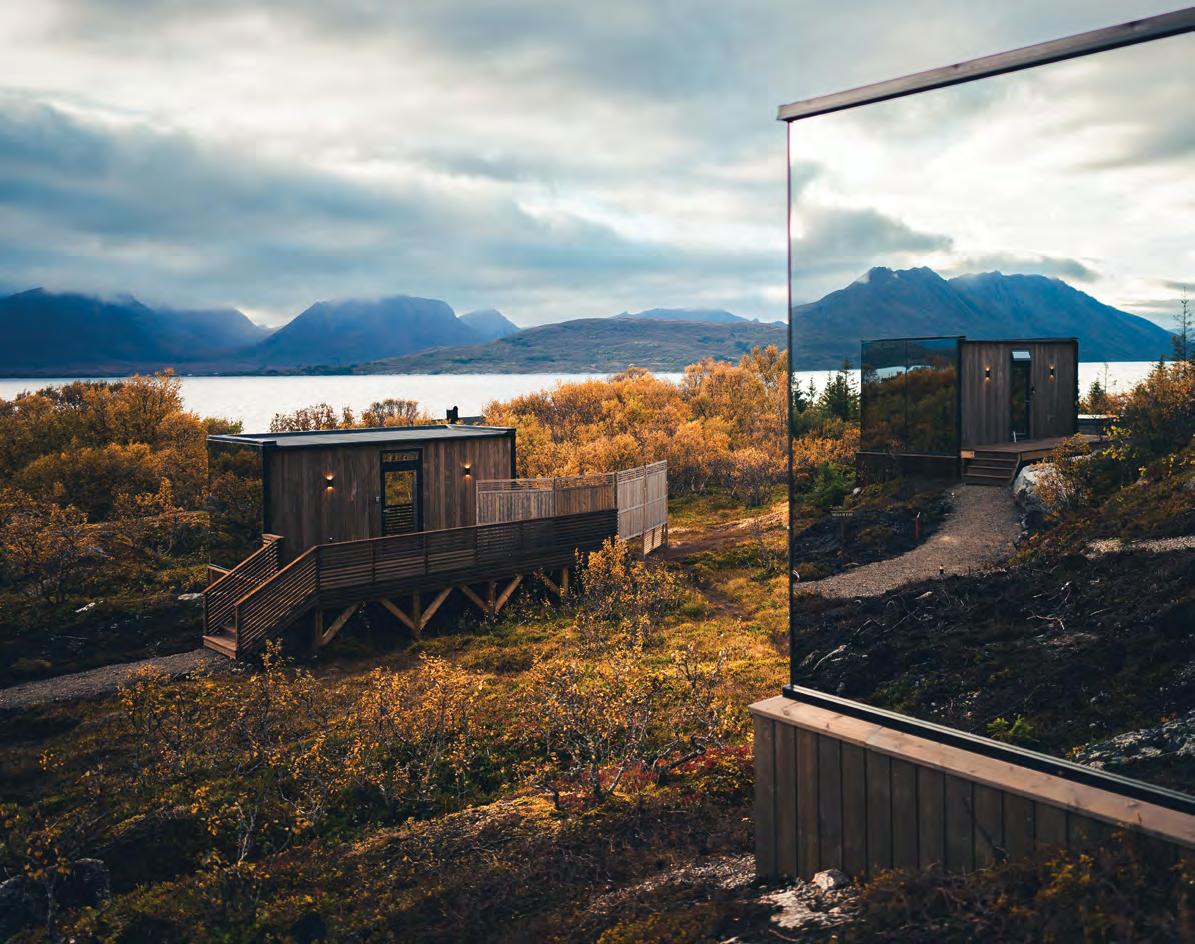
A striking juxtaposition of traditional shelter and modern leisure unfolds against a vast, rolling green landscape under a bright, cloud-flecked sky. At the center of this scene rests a yurt—a structure deeply rooted in the nomadic history of Central Asia—now perched elegantly upon a contemporary wooden deck complete with comfortable lounge chairs. This visual harmony speaks volumes about the evolving human desire to reconnect with nature without entirely severing ties with modern comfort. The scene perfectly embodies the essence of “glamping,” a cultural movement seeking solace in the wilderness while maintaining the security of modern amenities. It reflects a collective yearning to escape the frantic pace of urban environments and find a slower, more intentional way of being.
From Survival to Sanctuary
Historically, the yurt was designed purely for survival. It was a portable, circular home made of felt and wood, engineered to withstand the harsh, sweeping winds of the Mongolian steppes. Its round shape offered minimal wind resistance, and its natural materials provided essential insulation.
In the modern context, however, the yurt has undergone a profound transformation in both purpose and meaning. It is no longer a vessel for constant migration, but a fixed sanctuary for relaxation and introspection. The inclusion of large, clear window panels allows the outside world to pour into the interior, intentionally blurring the boundary between the sheltered indoor space and the expansive outdoor environment. This evolution highlights how ancient architectural wisdom can be adapted to fulfill contemporary psychological needs, transforming a tool for survival into a space for spiritual and mental rejuvenation.
+---------------------------------------------------------+
| THE EVOLUTION OF THE YURT |
+---------------------------+-----------------------------+
| Historical Nomadism | Modern Glamping |
+---------------------------+-----------------------------+
| * Built for migration | * Fixed permanent deck |
| * Felt insulation | * Clear viewing windows |
| * Focused on survival | * Focused on mindfulness |
+---------------------------+-----------------------------+
Designing for Mindfulness
The physical placement of the structure further emphasizes this theme of connection. Elevated on a clean, light-colored wooden platform, the yurt sits on the edge of a verdant hillside. The deck serves as a literal and figurative bridge between the untamed, grassy wilderness and the ordered, secure environment of the dwelling.
On this deck, two vibrant red upper house farm hereford lounge chairs face outward toward the horizon, inviting inhabitants to sit, pause, and engage in the lost art of observation. The brilliant red of the chairs sharply contrasts with the earthy tones of the canvas tent and the soft greens of the valley, drawing the eye to the primary activity of this space: active relaxation. It is a setting designed entirely for mindfulness, where the simple act of watching clouds drift across the sky becomes the central event of the day.
Balancing the Modern Age
Ultimately, this hillside retreat serves as a powerful visual metaphor for balance in the digital era. It demonstrates that entering nature does not require discarding all elements of comfort, nor does enjoying comfort require staying locked inside concrete urban towers.
By merging the architectural brilliance of nomadic ancestors with modern design sensibilities, this space offers a blueprint for sustainable, peaceful living. It reminds the observer that true luxury is not found in accumulation, but in space, silence, and the time to appreciate the natural world. In a world increasingly dominated by screens and schedules, this yurt on the hill stands as an inspiring symbol of peace, grounding, and a harmonious return to the earth.