
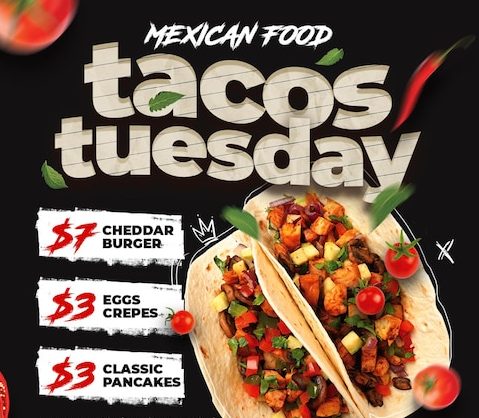
New Taco Creations Inspired by International Cuisine
Introduction
Tacos have become one of the most adaptable foods in global cuisine. While their roots remain firmly grounded in Mexico, modern chefs are now drawing inspiration from international flavors to create entirely new taco experiences.
In 2026, taco innovation is no longer limited to traditional or even simple fusion ideas. Instead, it is a global culinary exchange where different food cultures influence how tacos are designed, cooked, and served.
The Globalization of Taco Culture
As tacos spread worldwide, chefs from different countries began experimenting with the format. The simple structure of a tortilla filled with flavorful ingredients makes tacos ideal for international reinterpretation.
This has led to a new wave of taco creations that combine Mexican cooking traditions with global culinary identities.
Asian-Inspired Taco Creations
Asian cuisine has had one of the strongest influences on modern taco development. Chefs are using bold sauces, fermented ingredients, and unique cooking techniques to transform taco flavors.
Popular Asian-inspired tacos include:
- Korean bulgogi beef tacos with kimchi
- Japanese tempura shrimp tacos with wasabi mayo
- Thai spicy chicken tacos with peanut sauce
- Vietnamese lemongrass pork tacos
These tacos are known for their balance of sweet, spicy, and umami flavors.
European-Inspired Taco Innovations
European cuisine is also playing a major role in taco evolution. Chefs are bringing refined cooking styles and rich ingredients into taco formats.
Examples include:
- French duck confit tacos with citrus glaze
- Italian-style caprese tacos with fresh mozzarella
- Spanish chorizo tacos with smoked paprika
- Greek lamb tacos with tzatziki sauce
These creations combine elegance with bold taco structure.
Middle Eastern Flavor Influence
Middle Eastern cuisine adds deep spices and aromatic herbs to modern taco creations. These flavors blend surprisingly well with traditional taco elements from Mexico.
Popular combinations include:
- Lamb shawarma tacos
- Falafel tacos with tahini sauce
- Spiced beef tacos with hummus
- Chicken kebab tacos with garlic yogurt
These tacos emphasize warmth, spice, and layered seasoning.
Latin American Cross-Cultural Tacos
Even within Latin America, taco innovation continues to grow. Different regional cuisines are influencing taco variations while keeping a shared cultural foundation.
Examples include:
- Peruvian-style ceviche tacos
- Brazilian grilled meat tacos
- Caribbean jerk chicken tacos
- Argentinian chimichurri beef tacos
These combinations highlight bold marinades and fresh ingredients.
Seafood Innovations From Coastal Cuisine
International seafood traditions are also shaping modern tacos. Chefs are combining ocean-inspired flavors with taco structure to create fresh and vibrant dishes.
Popular examples include:
- Mediterranean grilled octopus tacos
- Japanese sashimi-style tuna tacos
- Nordic smoked salmon tacos
- Thai coconut shrimp tacos
These tacos often focus on light textures and citrus-based flavor profiles.
Dessert and Sweet International Tacos
Not all taco innovations are savory. Dessert tacos inspired by global sweets are becoming increasingly popular in cafés and modern restaurants.
Examples include:
- French chocolate mousse tacos
- Japanese matcha cream tacos
- Italian tiramisu tacos
- Middle Eastern honey pistachio tacos
These sweet versions show how flexible the taco format has become.
Why International Taco Creations Work
International taco creations are successful because they:
- Use a familiar taco structure
- Allow global flavors to shine
- Offer visual and taste variety
- Appeal to adventurous eaters
- Encourage culinary creativity
The tortilla acts as a neutral base that supports nearly any flavor profile.
Social Media and Global Inspiration
Social media plays a All Taco Restaurant major role in spreading international taco trends. Chefs and food creators share innovative recipes that quickly gain global attention.
Platforms like TikTok and Instagram help new taco ideas travel across countries within days, accelerating the pace of culinary innovation.
Conclusion
New taco creations inspired by international cuisine show how far taco culture has evolved beyond its origins in Mexico. From Asian spices to European elegance and Middle Eastern richness, tacos have become a global culinary canvas.
In 2026, tacos are no longer defined by geography—they are defined by creativity. As chefs continue blending cultures, the future of tacos will remain endlessly diverse, exciting, and innovative.